
Author: Sean Kimbrough
Courage Against Cancer is a dedication to my Mother and friend Dan who lost their Fights Against Cancer in 2023 and 2018, respectfully. This project is to promote new, promising alternatives to the "Old Guard" Cancer protocols i.e. Chemotherapy and Radiation. With your help, we can enlighten Cancer patients to a world of possibilities! Thank you for your support!


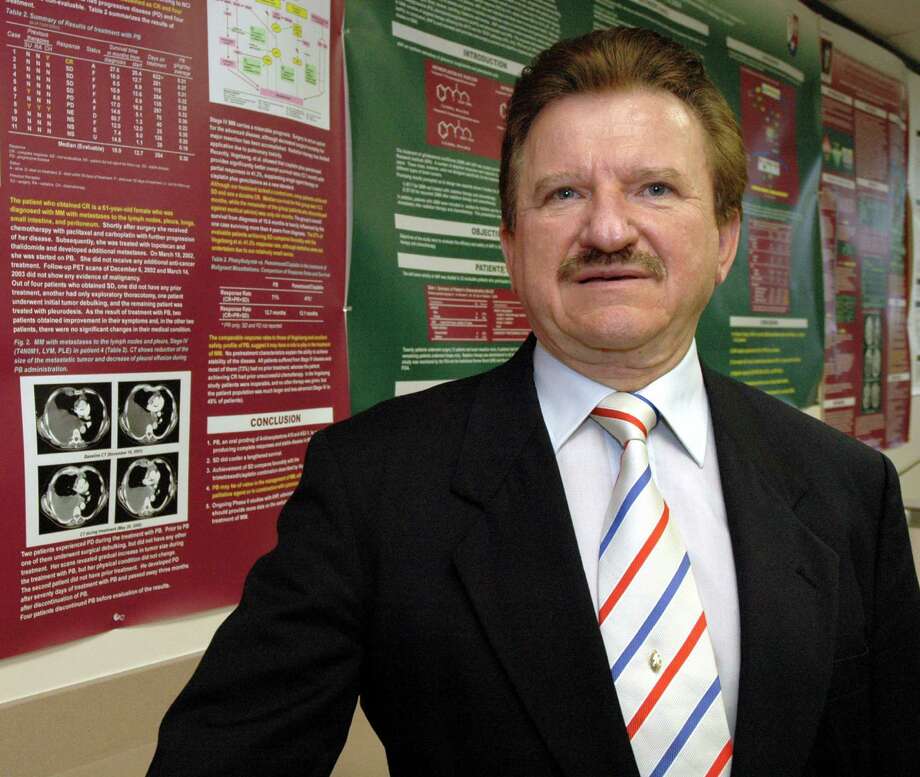


In 2024, cancer research shows promising progress in innovative treatments, including advances in immunotherapy, precision medicine, and repurposed drugs. Techniques such as liquid biopsies, CRISPR technology, and multi-omics approaches offer tailored therapies. Despite challenges in access and ethical considerations, collaboration among scientists provides hope for effective cancer care solutions.

The article examines the intriguing similarities and differences between cancer and parasites, focusing on their survival strategies and interactions with hosts. Both exploit hosts for resources and evade immune responses, yet differ fundamentally in origin and growth. Insights from their parallels could lead to innovative treatments and improved patient outcomes.
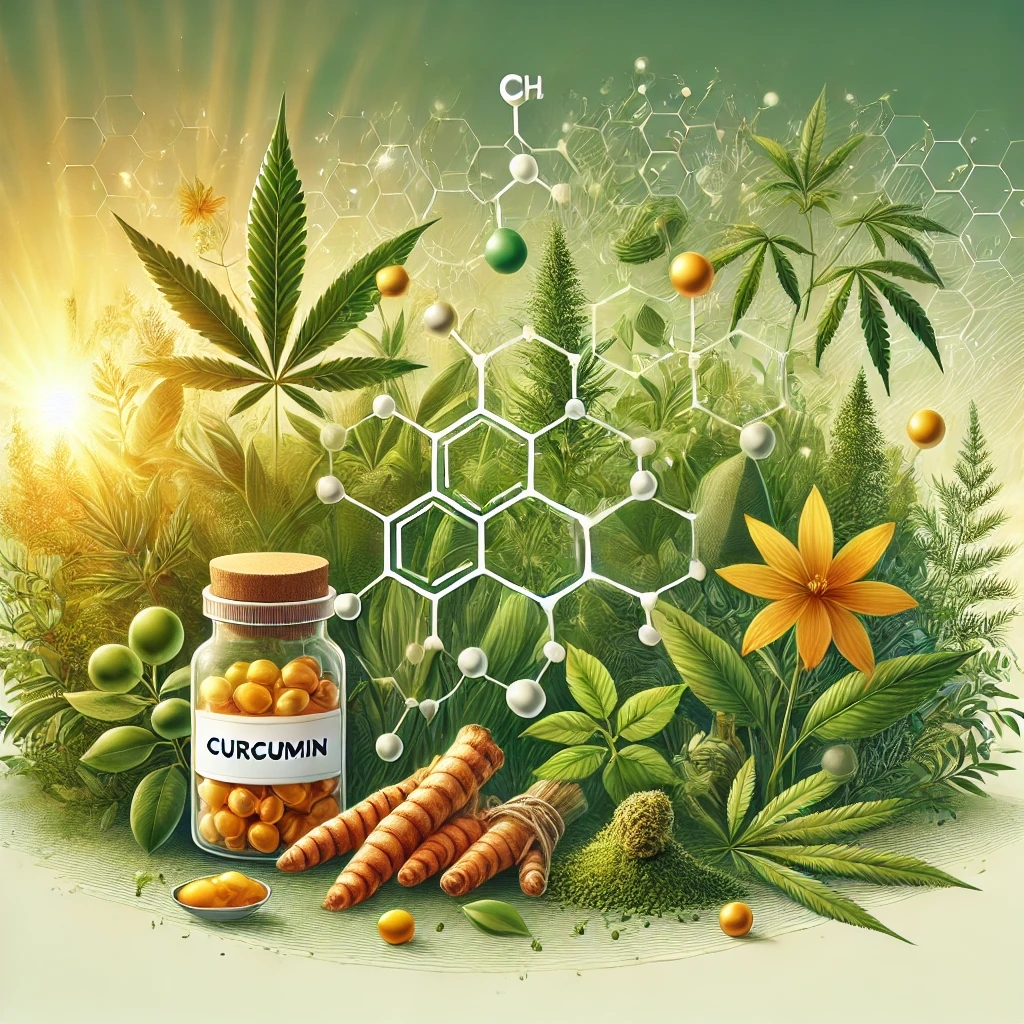
Many cancer patients consider natural remedies alongside conventional treatments for symptom management and overall well-being. This article reviews popular options, including curcumin, green tea, and CBD, highlighting their potential benefits and safe usage. While promising, natural remedies should supplement, not replace, standard care, requiring cautious and informed use.

Recent advancements in cancer research highlight breakthrough treatments, including targeted therapy, immunotherapy, and gene therapy. Promising repurposed drugs like ivermectin and fenbendazole are also explored. While these innovations show potential, they must complement established therapies, emphasizing the need for evidence-based approaches and ongoing clinical trials for optimal patient care and outcomes.
Hydroxychloroquine, a versatile medication, treats malaria and autoimmune diseases but lacks proven efficacy against COVID-19, raising significant debate.
 Courage Against Cancer