Celebrate the birth of Jesus with a message of healing, courage, and renewed strength. This Christmas, discover how faith, wellness, and love can guide you into a healthier, hope-filled New Year.

 Courage Against Cancer
Over 4,000 people downloaded Courage Against Cancer’s free guides last month. Now, one small $5 donation can help bring life-saving treatments closer to FDA approval — so one day, no child or family will be denied care because of cost.
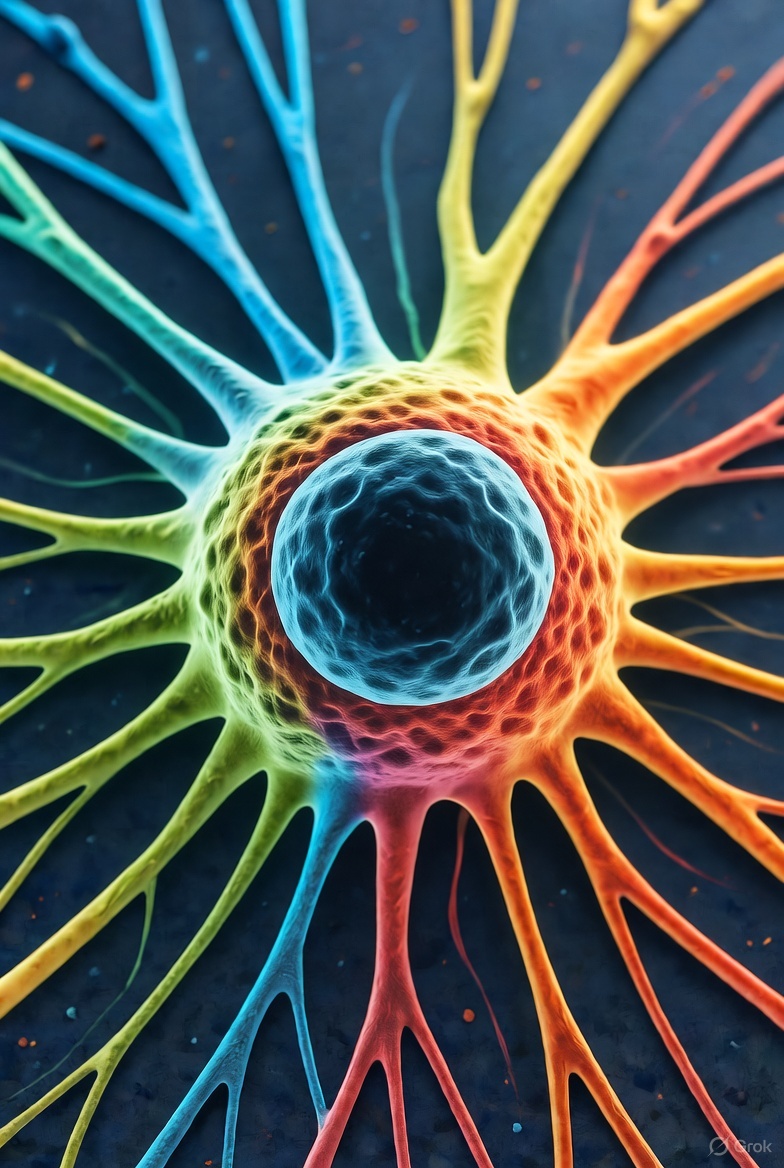
The future of cancer treatment lies in combination. Discover the compelling science suggesting how repurposed drugs like ivermectin and mebendazole could work synergistically with standard therapies to improve outcomes and overcome treatment resistance.
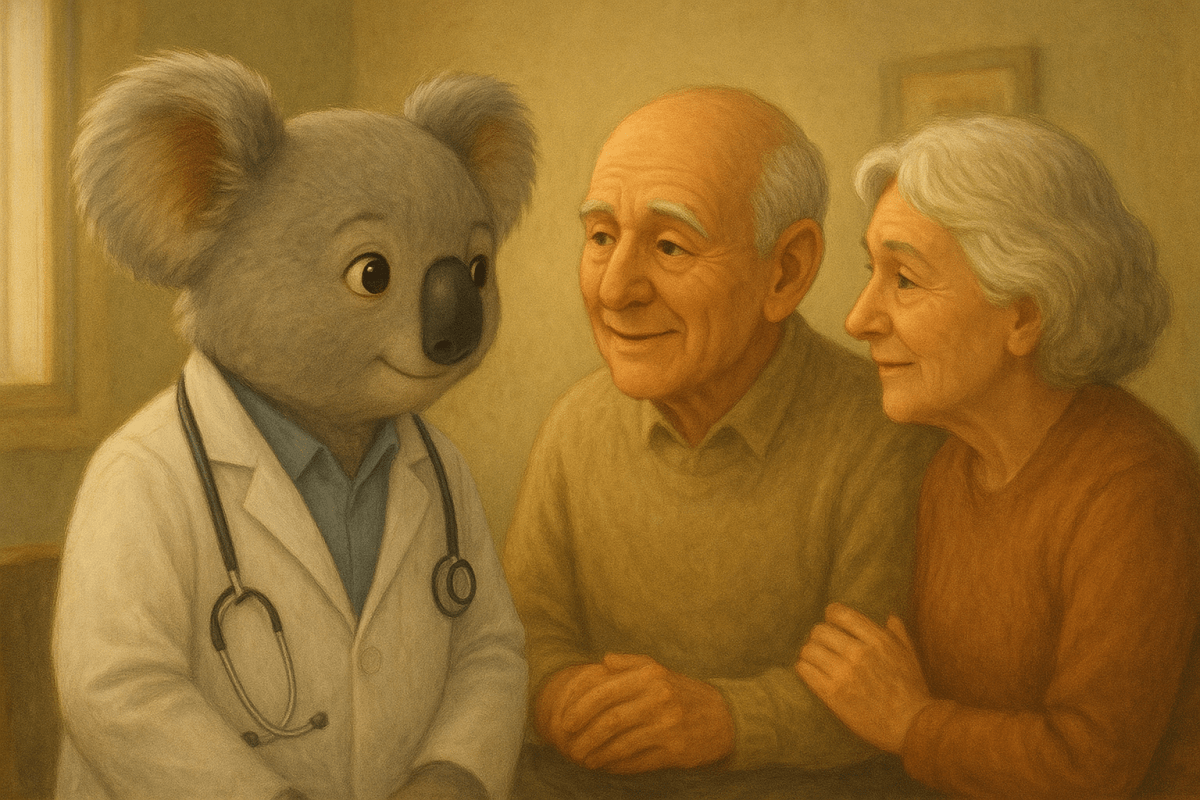
Facing limited options? This guide helps patients and caregivers navigate the difficult path of considering repurposed drugs, emphasizing safety, open communication with your oncologist, and informed decision-making.
Repurposing existing drugs like ivermectin and mebendazole offers a groundbreaking path forward in the war against cancer. Learn how Courage Against Cancer’s preclinical work on ovarian cancer may help establish the safety, mechanisms, and efficacy of these overlooked therapies — and how you can help us bridge science and compassion in the fight for human healing.
Courage Against Cancer explores how ivermectin and mebendazole — two promising repurposed drugs — may enhance the effectiveness of standard cancer treatments. Learn how our ovarian cancer preclinical study aims to uncover synergistic potential that could redefine the future of integrative oncology.

In a landscape dominated by hype and headlines, our foundation is dedicated to a single, clear mission: moving the conversation about repurposed drugs like ivermectin and mebendazole from anecdote to evidence through rigorous, independent science.

Courage Against Cancer announces a new preclinical research initiative studying ivermectin and mebendazole against ovarian cancer. Learn what science currently shows about these repurposed antiparasitic drugs — and why this research may change the future of cancer therapy.
 Courage Against Cancer