
Introduction
Hydroxychloroquine (HCQ) is a medication with a complex and evolving history. It has been utilized for decades to treat a variety of conditions, ranging from malaria to autoimmune disorders. Its potential role in the treatment of COVID-19 in recent years sparked renewed interest, debate, and controversy. This article explores the origins, applications, and effectiveness of hydroxychloroquine, shedding light on its place in medical history and modern therapeutics.
Historical Background
Discovery and Development
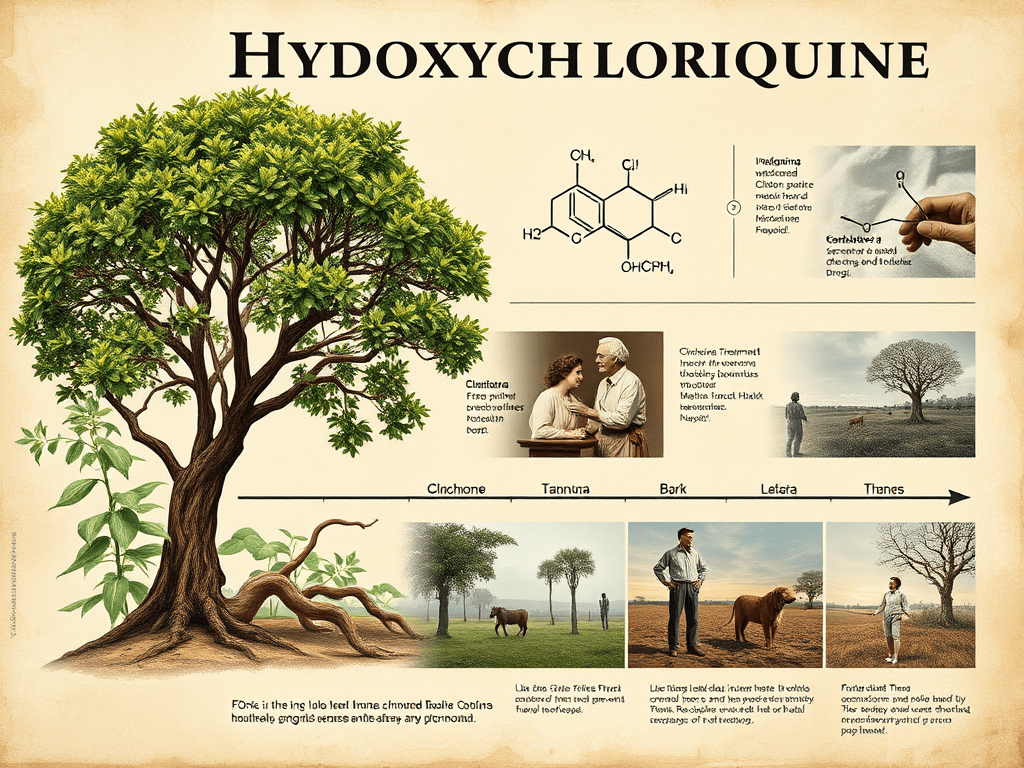
Hydroxychloroquine is a derivative of chloroquine, a drug initially developed as an antimalarial agent. Chloroquine’s origins trace back to the bark of the cinchona tree, which contains quinine, a naturally occurring compound used to treat malaria for centuries. In the early 20th century, synthetic alternatives to quinine were developed, culminating in the discovery of chloroquine in the 1930s.
During World War II, chloroquine was widely used to protect soldiers from malaria in tropical regions. However, its side effects prompted the development of hydroxychloroquine, which was first synthesized in 1946. Hydroxychloroquine proved to be less toxic than its predecessor while maintaining its antimalarial efficacy. By the 1950s, it became a standard treatment for malaria.
Expansion of Use
Beyond its antimalarial properties, researchers discovered that hydroxychloroquine had anti-inflammatory and immunomodulatory effects. This led to its adoption for treating autoimmune diseases, such as rheumatoid arthritis (RA) and systemic lupus erythematosus (SLE). By the late 20th century, HCQ was firmly established as a cornerstone in the management of these chronic conditions.
Medical Applications
Malaria
Hydroxychloroquine has been used to treat and prevent malaria caused by Plasmodium vivax, P. malariae, and P. ovale. However, its effectiveness against P. falciparum has diminished due to the emergence of drug-resistant strains. As a result, HCQ’s role in malaria treatment has been largely supplanted by newer antimalarial agents, such as artemisinin-based combination therapies (ACTs).
Autoimmune Disorders
Systemic Lupus Erythematosus (SLE)
Hydroxychloroquine is a first-line treatment for SLE. It helps control disease activity by reducing inflammation and modulating the immune system. Studies have shown that HCQ decreases flare frequency, improves long-term outcomes, and reduces the risk of organ damage in lupus patients.
Rheumatoid Arthritis (RA)
In RA, HCQ is often used as part of a disease-modifying antirheumatic drug (DMARD) regimen. It helps alleviate joint inflammation and pain, although it is generally considered less potent than other DMARDs like methotrexate. HCQ’s favorable safety profile makes it an attractive option for long-term management.
Other Conditions
Hydroxychloroquine has also been explored for conditions such as Sjögren’s syndrome, antiphospholipid syndrome, and dermatologic disorders like cutaneous lupus erythematosus. In these cases, its immunomodulatory properties are leveraged to control symptoms and improve quality of life.
Mechanism of Action
The precise mechanisms by which hydroxychloroquine exerts its effects are not fully understood. However, several theories have been proposed:
- Antimalarial Action: HCQ increases the pH of lysosomes and endosomes within the parasite, disrupting critical processes such as protein synthesis and survival in red blood cells.
- Immunomodulation: In autoimmune diseases, HCQ interferes with antigen presentation, reducing the activation of T cells and the production of pro-inflammatory cytokines.
- Antiviral Potential: HCQ’s ability to alter endosomal pH has been suggested as a mechanism to inhibit viral entry and replication, although this remains contentious in the context of COVID-19.
Effectiveness and Safety
Established Uses
Autoimmune Disorders
Hydroxychloroquine is widely regarded as effective and safe for managing SLE and RA. It is particularly valued for its ability to reduce long-term complications without the severe side effects associated with corticosteroids and other immunosuppressants. Adherence to HCQ therapy has been linked to improved survival rates in lupus patients.
Malaria
While still effective for certain non-resistant strains of malaria, HCQ has limited utility in regions where resistance to chloroquine and hydroxychloroquine is prevalent. Its use for malaria has declined as more effective treatments have become available.
Emerging and Controversial Applications
COVID-19
The global COVID-19 pandemic brought hydroxychloroquine into the spotlight. Early in the pandemic, laboratory studies suggested that HCQ might inhibit the SARS-CoV-2 virus in vitro. These findings, coupled with anecdotal reports, led to widespread interest in using HCQ to treat or prevent COVID-19.
However, clinical trials yielded mixed results. Some studies reported modest benefits, while others found no significant impact on disease progression or mortality. Large-scale, randomized controlled trials—such as those conducted by the World Health Organization (WHO) and the National Institutes of Health (NIH)—concluded that HCQ was not effective for treating COVID-19 and posed potential risks, including cardiac arrhythmias.
The controversy surrounding HCQ’s role in COVID-19 highlighted the importance of rigorous scientific evaluation and underscored the dangers of politicizing medical treatments.
Safety Profile
Hydroxychloroquine is generally well-tolerated, but it is not without risks. Common side effects include gastrointestinal disturbances (nausea, diarrhea) and skin rashes. Rare but serious adverse effects include:
- Retinopathy: Prolonged use of HCQ can cause retinal damage, potentially leading to irreversible vision loss. Regular eye examinations are recommended for long-term users.
- Cardiotoxicity: HCQ can prolong the QT interval on an electrocardiogram (ECG), increasing the risk of arrhythmias. This risk is heightened in patients with preexisting heart conditions or those taking other QT-prolonging medications.
- Neurological Effects: High doses of HCQ may cause headaches, dizziness, or, rarely, seizures.
Current Perspectives and Future Directions
Research Developments
Ongoing research continues to explore new applications for hydroxychloroquine. For example, its potential role in oncology is being investigated, as preclinical studies suggest that HCQ may enhance the efficacy of certain cancer therapies by inhibiting autophagy in tumor cells.
Public Perception
The COVID-19 pandemic significantly influenced public perceptions of hydroxychloroquine. Once regarded as a reliable and uncontroversial medication, it became a polarizing topic due to its association with unproven claims and political discourse. Efforts to restore trust in HCQ as a treatment for its established indications are essential for ensuring its appropriate use.
Regulatory Considerations
Regulatory agencies, including the U.S. Food and Drug Administration (FDA) and the European Medicines Agency (EMA), emphasize the importance of evidence-based prescribing. HCQ remains approved for its traditional uses but is no longer authorized for emergency use in COVID-19.
Conclusion
Hydroxychloroquine is a medication with a rich history and a wide range of applications. From its origins as an antimalarial agent to its indispensable role in treating autoimmune diseases, HCQ has demonstrated remarkable versatility. While its effectiveness in certain contexts, such as COVID-19, remains unproven, its established benefits in managing conditions like SLE and RA are well-supported by decades of clinical experience.
As science continues to evolve, hydroxychloroquine’s legacy underscores the importance of balancing innovation with rigorous evaluation. By understanding its history, uses, and effectiveness, healthcare providers and patients can make informed decisions about this multifaceted medication.
Discover more from Courage Against Cancer
Subscribe to get the latest posts sent to your email.
 Courage Against Cancer
6 replies on “Hydroxychloroquine: History, Uses, and Effectiveness”
Are there uses of HCQ and Ivermectin for sclaroderma and small cell lung CA?
LikeLike
I’m not sure about sclaroderma, but HCQ is highly effective against respiratory ailments and new evidence is emerging about HCQ’s benefit in all lung cancer types. I feel HCQ is one the essential medications we should all have in our medicine cabinets along with Ivermectin, an antibiotic like Amoxicillin and Mebendazole/Fenbendazole.
LikeLike
[…] Hydroxychloroquine, a medication primarily used to treat malaria, lupus, and rheumatoid arthritis, has been studied for its potential to treat various viral infections, including influenza. However, the evidence supporting its effectiveness specifically against the influenza virus is limited and inconclusive. […]
LikeLike
[…] Develop resistance to antiparasitic drugs like chloroquine, necessitating new treatment […]
LikeLike
[…] is more information on Hydroxychloroquine HCQ including history, benefits and effectiveness against wide range of […]
LikeLike
[…] Hydroxychloroquine offers several benefits, including: […]
LikeLike