
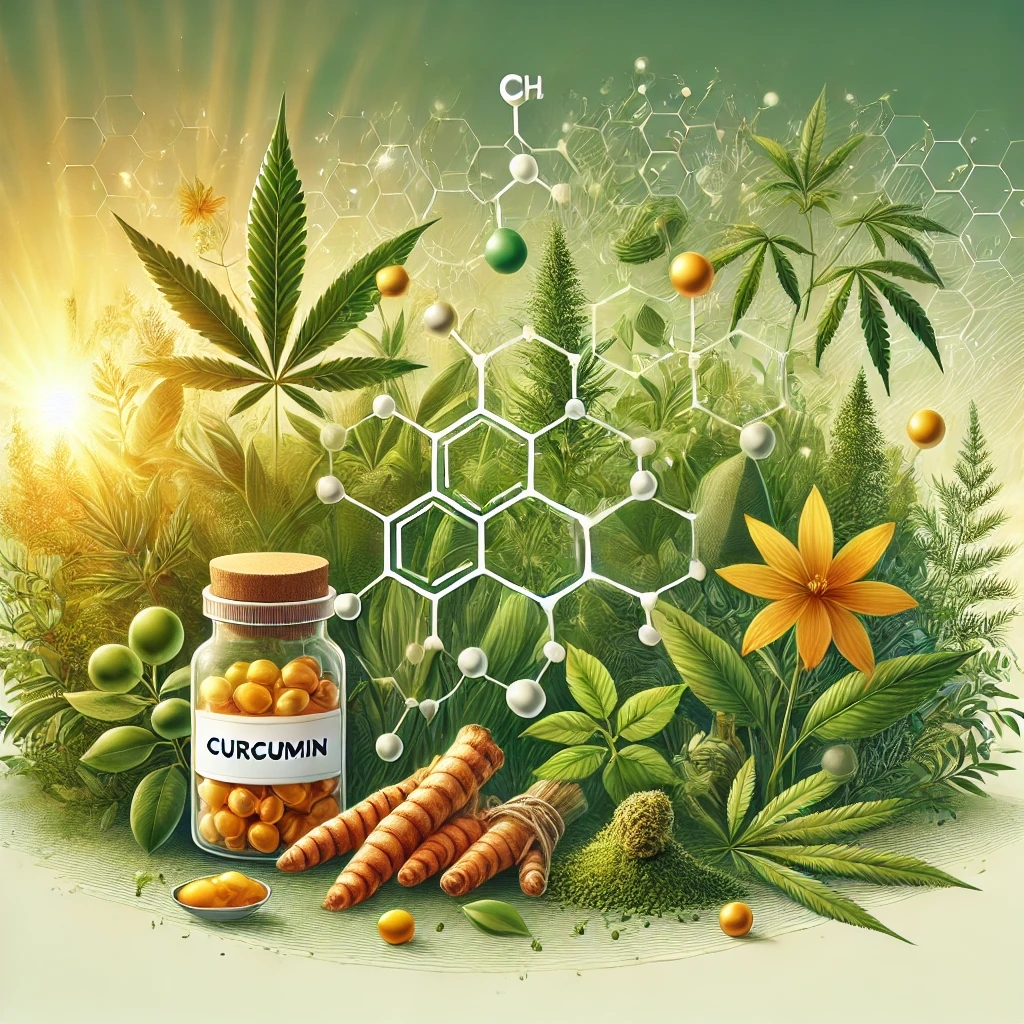
Introduction
In the quest for holistic approaches to cancer care, many patients explore natural remedies to complement conventional treatments. While these remedies often lack the robust evidence of clinical trials, they can play a supportive role in symptom management, immune system strengthening, and overall well-being. This article provides an in-depth exploration of popular natural remedies, their potential benefits, and considerations for safe use.
1. Plant-Based Therapies
Curcumin (Turmeric)
Curcumin, the active compound in turmeric, is known for its potent anti-inflammatory and antioxidant properties. Research suggests it may inhibit cancer cell growth by targeting multiple cellular pathways.
- How It Works: Curcumin modulates inflammatory cytokines and inhibits angiogenesis (the growth of new blood vessels in tumors).
- Usage: Typically consumed as a supplement or added to foods. Standardized extracts (95% curcuminoids) are recommended, with doses ranging from 500 to 2,000 mg per day.
- Evidence: Studies in breast, colon, and pancreatic cancers show promising results, but clinical trials are limited.
Green Tea (EGCG)
Epigallocatechin gallate (EGCG) is the key polyphenol in green tea with potential anticancer effects.
- How It Works: EGCG induces apoptosis (cell death) in cancer cells, inhibits metastasis, and protects DNA from oxidative damage.
- Usage: Drinking 3–4 cups of green tea daily or taking EGCG supplements (200–400 mg/day).
- Evidence: Population studies indicate a reduced risk of breast, prostate, and colorectal cancers among regular green tea consumers.
2. Dietary Supplements
Vitamin D
Vitamin D plays a crucial role in regulating cell growth and immune function. Deficiency has been linked to higher risks of certain cancers.
- How It Works: Vitamin D receptors (VDR) in cells help regulate proliferation and apoptosis.
- Usage: Optimal blood levels (30–60 ng/mL) can be maintained through supplements (1,000–5,000 IU daily) and moderate sun exposure.
- Evidence: Observational studies suggest a link between higher vitamin D levels and lower incidences of colon and breast cancers.
Omega-3 Fatty Acids
Omega-3s, found in fish oil, are known for their anti-inflammatory effects.
- How They Work: Reduce inflammation and suppress the growth of cancer cells by altering cellular lipid composition.
- Usage: Consume fatty fish (e.g., salmon) or take supplements (1–3 grams daily).
- Evidence: Studies show potential benefits in reducing tumor progression in breast and prostate cancers.
3. Mind-Body Interventions
Yoga and Meditation
These practices enhance mental well-being and reduce stress, which can indirectly benefit cancer patients.
- How It Works: Lowers cortisol levels and enhances immune function through relaxation techniques.
- Usage: Practicing 20–30 minutes daily.
- Evidence: Clinical trials demonstrate improved quality of life, reduced fatigue, and enhanced emotional resilience in cancer patients.
Acupuncture
Acupuncture involves inserting thin needles into specific body points to alleviate symptoms.
- How It Works: Stimulates the release of endorphins and reduces inflammation.
- Usage: Often used for pain, nausea, and neuropathy related to chemotherapy.
- Evidence: Supported by studies for symptom management in breast cancer and other cancers.
4. Cannabis-Based Products
Cannabidiol (CBD)
CBD, a non-psychoactive compound in cannabis, is widely used for symptom relief.
- How It Works: Interacts with the endocannabinoid system to reduce pain, nausea, and inflammation.
- Usage: Oils, capsules, or edibles with doses varying by individual needs (start with 10–20 mg/day).
- Evidence: Studies support its use for managing chemotherapy-induced nausea and chronic pain.
THC
Tetrahydrocannabinol (THC), the psychoactive component, is often used for appetite stimulation and severe pain.
- Usage: Prescribed under medical supervision in jurisdictions where medical cannabis is legal.
- Evidence: FDA-approved drugs like dronabinol demonstrate efficacy for cancer-related symptoms.
5. Traditional Medicine Practices
Ayurveda
Ayurvedic medicine emphasizes balance through diet, herbs, and lifestyle changes.
- Popular Herbs:
- Ashwagandha: Reduces stress and boosts immunity.
- Triphala: Antioxidant-rich blend for detoxification.
- Usage: Herbs taken as teas, powders, or capsules.
- Evidence: Limited clinical studies; primarily anecdotal.
Traditional Chinese Medicine (TCM)
TCM combines herbal remedies with practices like acupuncture.
- Popular Herbs: Reishi mushrooms, astragalus, and ginseng for immune modulation.
- Usage: Herbs are often prescribed in combination by a qualified practitioner.
- Evidence: Preliminary studies indicate immune-boosting effects.
6. Risks and Considerations
Natural remedies can complement conventional treatments but must be used cautiously:
- Interactions: Supplements and herbs may interact with chemotherapy or radiation.
- Quality Control: Ensure products are sourced from reputable manufacturers to avoid contaminants.
- Consultation: Always discuss with an oncologist or integrative medicine specialist.
Conclusion
Natural remedies offer a supportive role in cancer care by enhancing quality of life, reducing symptoms, and potentially improving outcomes. While therapies like curcumin, green tea, and CBD show promise, they should complement—not replace—conventional treatments. An evidence-based, integrative approach ensures safety and effectiveness in cancer management.
References
- National Cancer Institute (NCI) – Integrative medicine insights.
- PubMed Central (PMC) – Studies on curcumin, EGCG, and dietary supplements.
- American Cancer Society (ACS) – Guidelines on complementary therapies.
- ClinicalTrials.gov – Ongoing studies on natural remedies in oncology.
- World Health Organization (WHO) – Reports on traditional medicine practices.
Discover more from Courage Against Cancer
Subscribe to get the latest posts sent to your email.
 Courage Against Cancer
One reply on “Natural Remedies for Cancer: A Comprehensive Guide”
[…] For a deeper exploration of alternative antiviral approaches, visit our article on alternative antiviral therapies. […]
LikeLike