
Table of Contents
- Introduction
- Historical Context: Understanding Ivermectin and Mebendazole
- Emerging Research on Anti-Cancer Effects
- Mechanisms of Action
- Patient Testimonials: A Glimpse into Hope
- Conclusion: A Call to Action
- Donate
Introduction
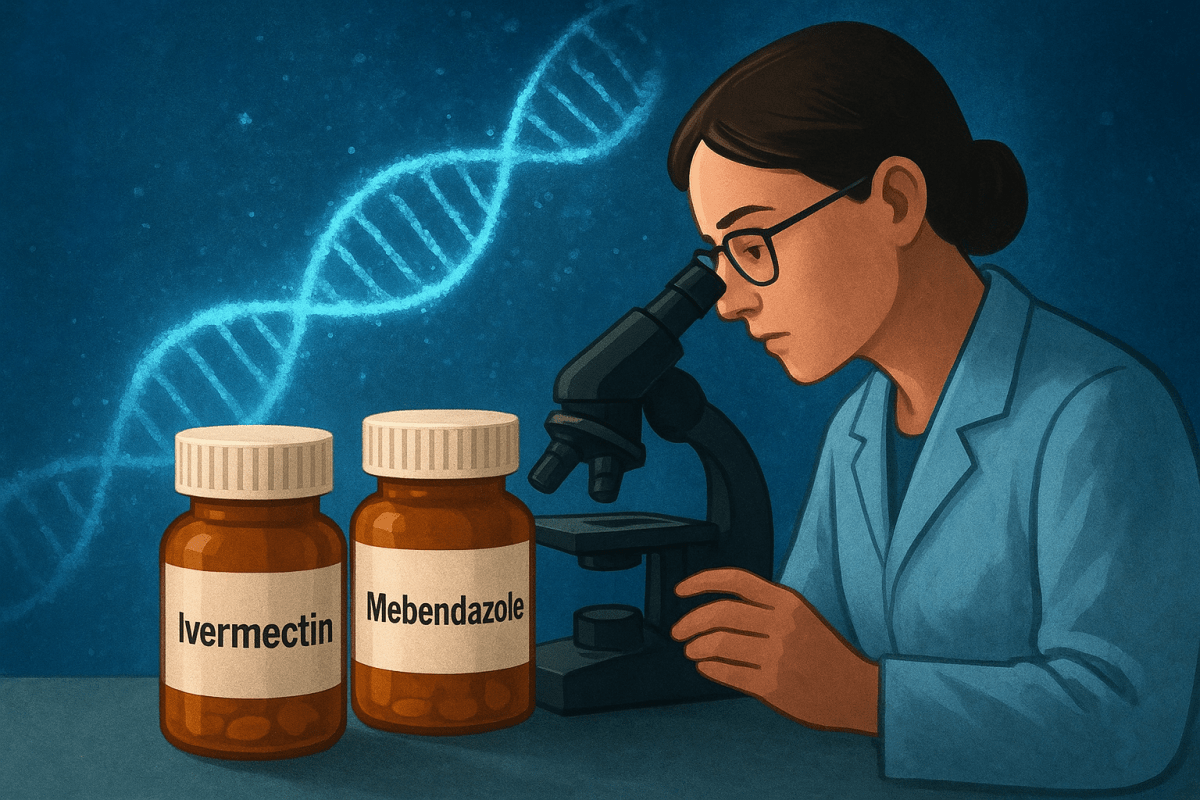
The fight against cancer has long been dominated by conventional therapies such as chemotherapy and radiation. However, emerging research highlights the potential of existing medications—Ivermectin and Mebendazole—to revolutionize cancer treatment. This article explores the historical usage of these drugs, their promising anti-cancer effects, and the underlying mechanisms driving their potential efficacy.
Historical Context: Understanding Ivermectin and Mebendazole
Ivermectin was first developed in the late 1970s as an antiparasitic treatment, while Mebendazole, primarily used for deworming, has been in healthcare for decades. Both have proven safety profiles but are now being examined for their potential roles in treating cancer.
Emerging Research on Anti-Cancer Effects
Recent studies have shown that both IVM and MBZ may inhibit the growth of cancer cells across various types. Research from institutions like MD Anderson demonstrates how these drugs disrupt cellular processes critical for tumor proliferation.
| Drug | Cancer Type | Notable Findings |
|---|---|---|
| Ivermectin | Ovarian Cancer | Induces apoptosis in cancer cell lines. |
| Mebendazole | Colorectal Cancer | Inhibits microtubule formation, leading to tumor cell death. |
Mechanisms of Action
Understanding how IVM and MBZ exert their potential anti-cancer effects is crucial. Ivermectin disrupts multiple cellular processes that cancer cells rely on for growth, while Mebendazole interferes with microtubule dynamics, both contributing to cell death.
Patient Testimonials: A Glimpse into Hope
As we explore these drugs’ potential impact, it’s essential to highlight patients who have experienced promising outcomes. Sharing their stories can inspire hope and stimulate interest in ongoing research.
Conclusion: A Call to Action
The promise of Ivermectin and Mebendazole as non-chemotherapy alternatives in cancer treatment underscores the importance of continued research and clinical trials. As we push for innovation in oncology, supporting initiatives dedicated to exploring these drugs could lead to groundbreaking advancements in patient care.
Donate:
Be apart of our movement bringing change to cancer treatments and the industry. Through your support, we are looking to fund the first preclinical trial of Ivermectin and Mebendazole against Ovarian Cancer with ultimate goal of FDA approval through Phase II/III clinical trials. Once we achieve the ultimate goal, we will take that knowledge to more cancer types and to the public via free dosages to children and less fortunate cancer patients. We also understand that cancer not only brings physical pain and challenges, but also brings financial pains and challenges. Courage Against Cancer will bridge those challenges through your support.
Make a one-time donation
Make a monthly donation
Make a yearly donation
Choose an amount
Or enter a custom amount
Your contribution is appreciated.
Your contribution is appreciated.
Your contribution is appreciated.
DonateDonate monthlyDonate yearlyDiscover more from Courage Against Cancer
Subscribe to get the latest posts sent to your email.
 Courage Against Cancer
2 replies on “Unlocking the Potential: How Ivermectin and Mebendazole Could Change Cancer Treatment”
Why aren’t you coordinating with Dr Michael Makis who has been successfully using this protocol for many kinds of cancers?
LikeLike
He hasn’t responded to my outreach notices. I feel we could make a powerful collaboration against Big Cancer, but …. crickets
LikeLike